Environmental sustainability across the entire lifecycle
Minimising emissions, conserving resources and delivering decades of performance.
Environmental sustainability is not determined by one factor alone. It is shaped by the impacts of production, performance during use, maintenance requirements, longevity and what happens when a material reaches the end of its life.
Stainless steel performs strongly across each of these stages. Its emission footprints, particularly those related to carbon, water and air, are continuously reduced through innovation and responsible production practices. During use, its durability and low maintenance requirements minimise resource consumption and replacement needs. At the end of its long life, it remains a valuable resource that can be reused and recycled into new stainless steel products.
Together, these characteristics make stainless steel one of the most sustainable engineering materials available today.
Minimising Environmental Footprints
The stainless steel industry continuously works to minimise environmental impacts associated with manufacturing. Particular attention is given to reducing carbon emissions, improving water management and limiting impacts on air quality.
Understanding and improving environmental performance requires robust scientific data. Through lifecycle inventories, lifecycle assessments and industry emissions reporting, the industry measures and evaluates its environmental footprint using internationally recognised methodologies.
Designed to Last
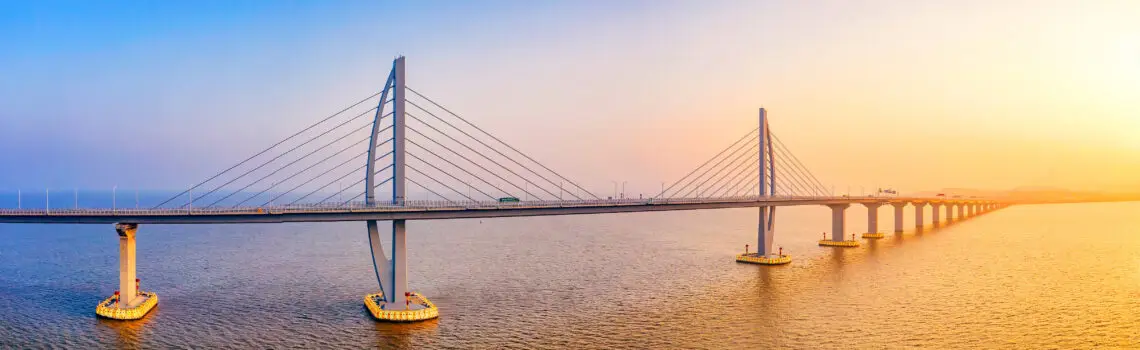
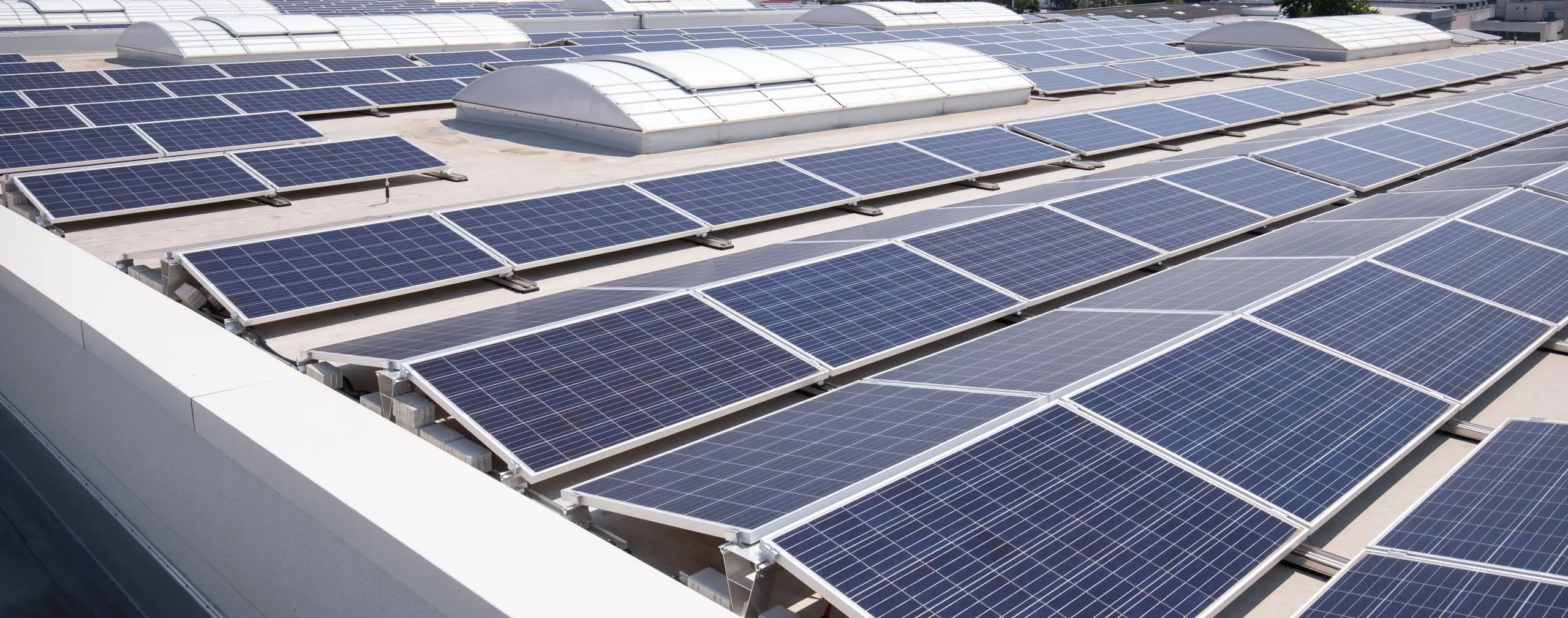
 One of the greatest environmental advantages of stainless steel is its exceptional durability. Whether used in buildings, transport systems, renewable energy infrastructure, water treatment facilities or household applications, stainless steel products are often designed to remain in service for decades.
Long-lasting materials reduce the need for replacement, conserve resources and lower the environmental impacts associated with manufacturing new products.
Low Maintenance, High Performance
 Environmental performance extends beyond manufacturing. Maintaining materials throughout their service life can consume significant amounts of energy, water and resources.
Stainless steel requires minimal maintenance while continuing to deliver reliable performance in demanding environments. This reduces the need for coatings, treatments, repairs and replacement components, helping to minimise impacts throughout the product lifecycle.
Keeping Valuable Resources in Use
At the end of its useful life, stainless steel remains a valuable material.
Reuse and recyclability are integral to the sustainability of stainless steel. Because it retains its value and can be recycled without loss of quality, stainless steel remains in productive use for generation after generation.
The combination of long life, reuse and high recyclability helps conserve resources and supports a more circular economy.
Environmental Sustainability Across the Entire Lifecycle
The environmental benefits of stainless steel cannot be explained by a single statistic or attribute.
Its sustainability performance is built on a combination of:
✓ Reduced carbon, water and air impacts
✓ Transparent environmental measurement and reporting
✓ Long service life
✓ Low maintenance requirements
✓ High levels of reuse and recyclability
Taken together, these characteristics ensure that the overall impact of stainless steel on the planet is kept as low as possible while continuing to deliver the performance society depends on.